CFRP mirror for space application
Summary:
Optimized CFRP honeycomb parameters using modal and structural analysis in ANSYS Manufactured and assembled a composite CFRP mirror. Optimized Mirror Fixation Device (MFD) parameters using Zernike analysis in MATLAB.
This project was divided into 2 parts:
1.Prototyping of a composite mirror and optimisation of MFD:
Place: Sattelite Application Center of the Indian Space Research Organisation
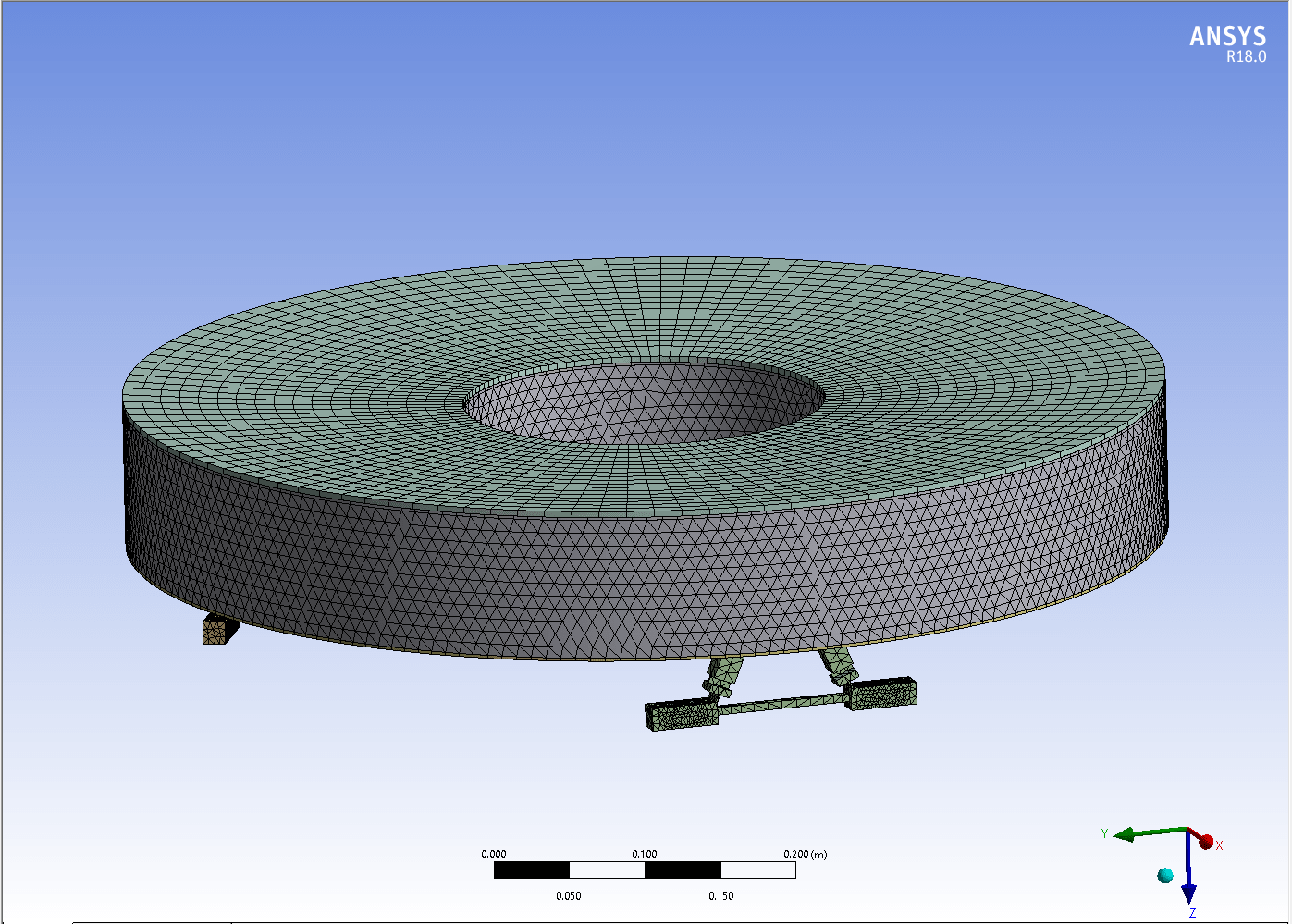
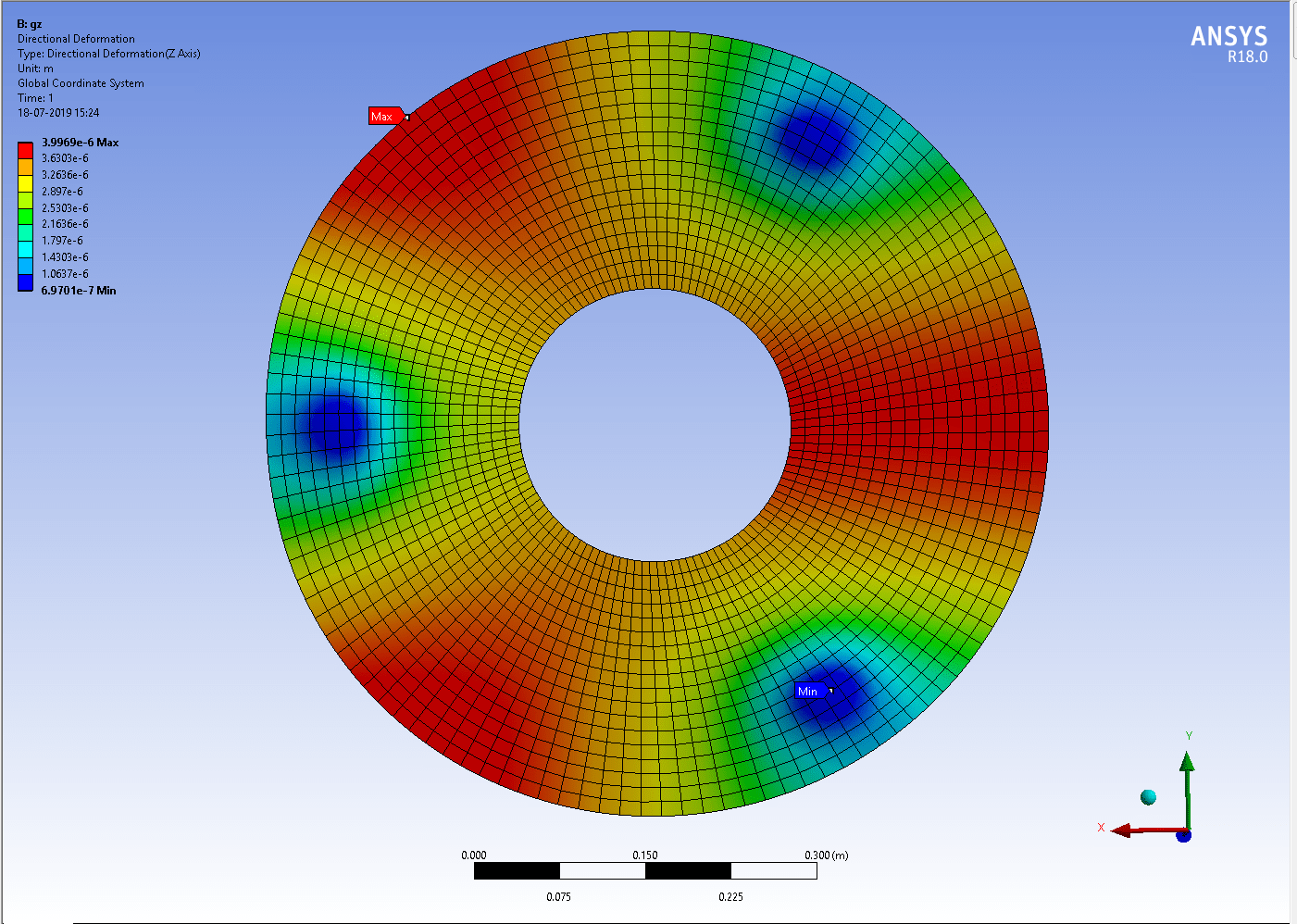
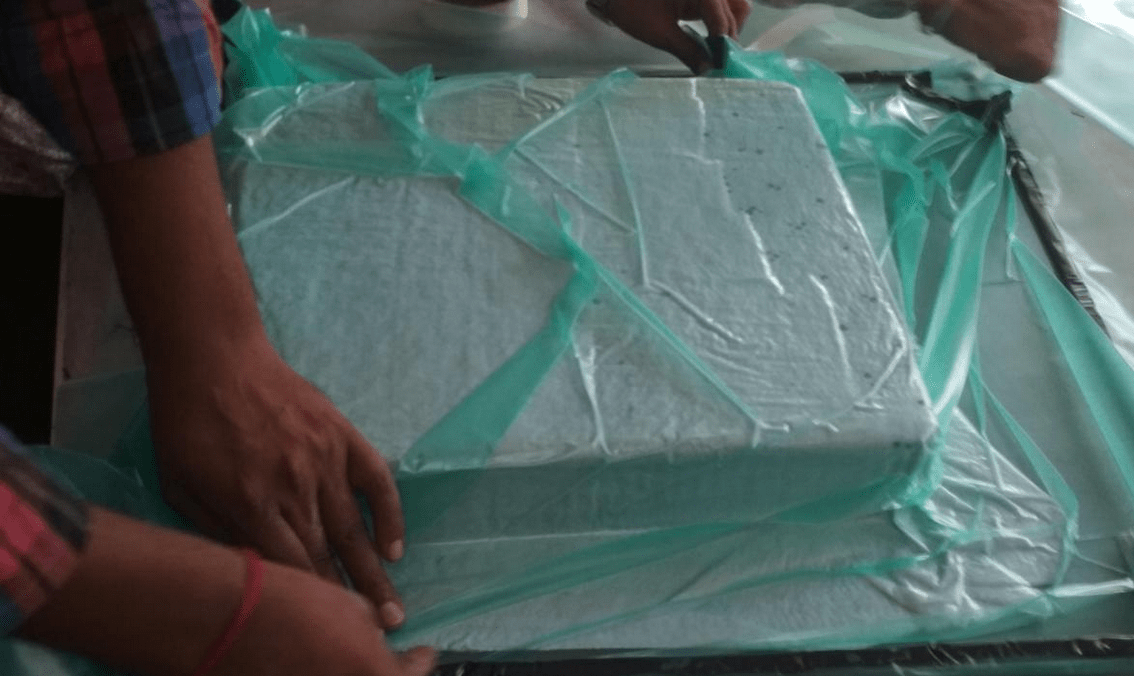
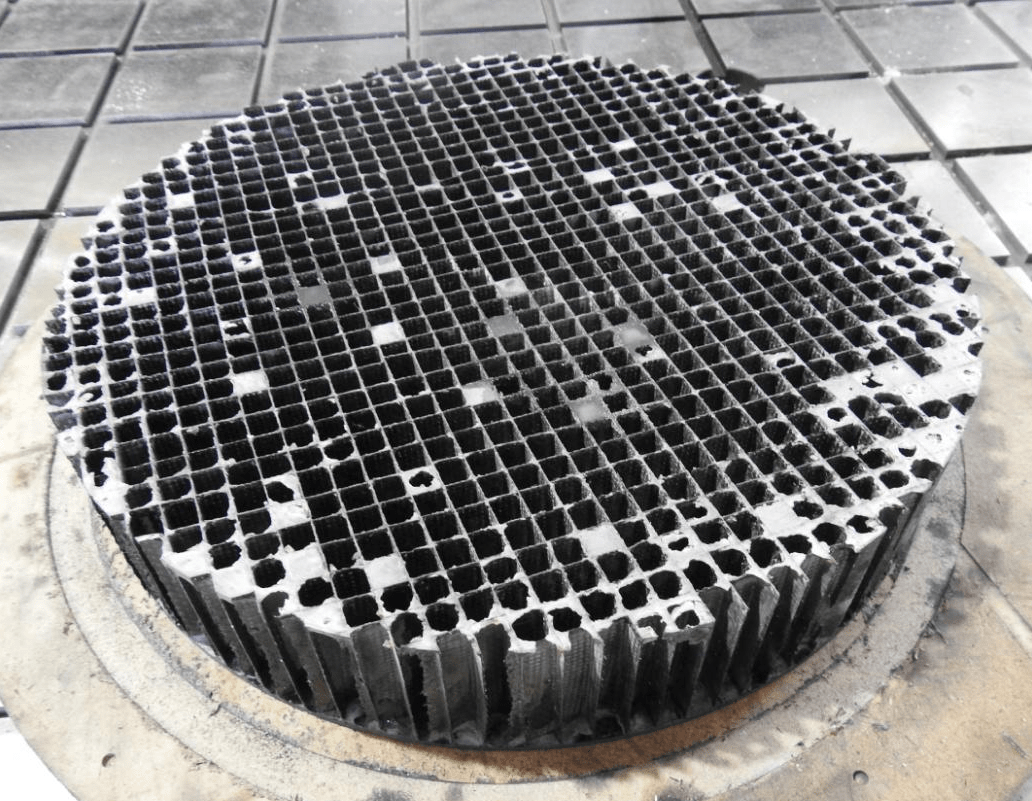
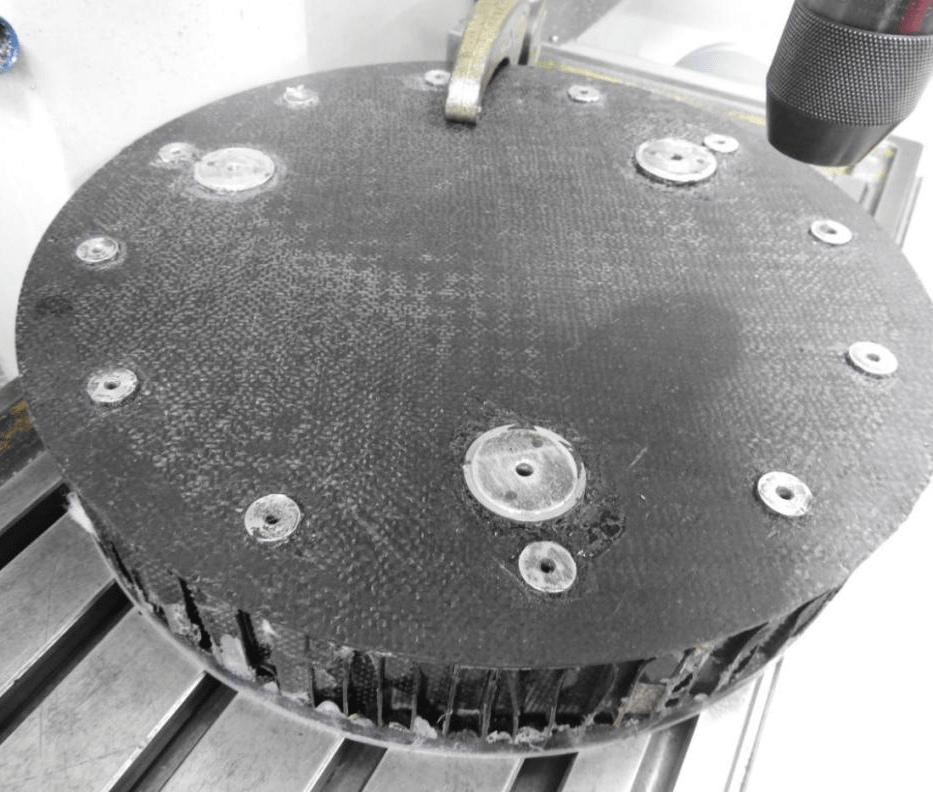
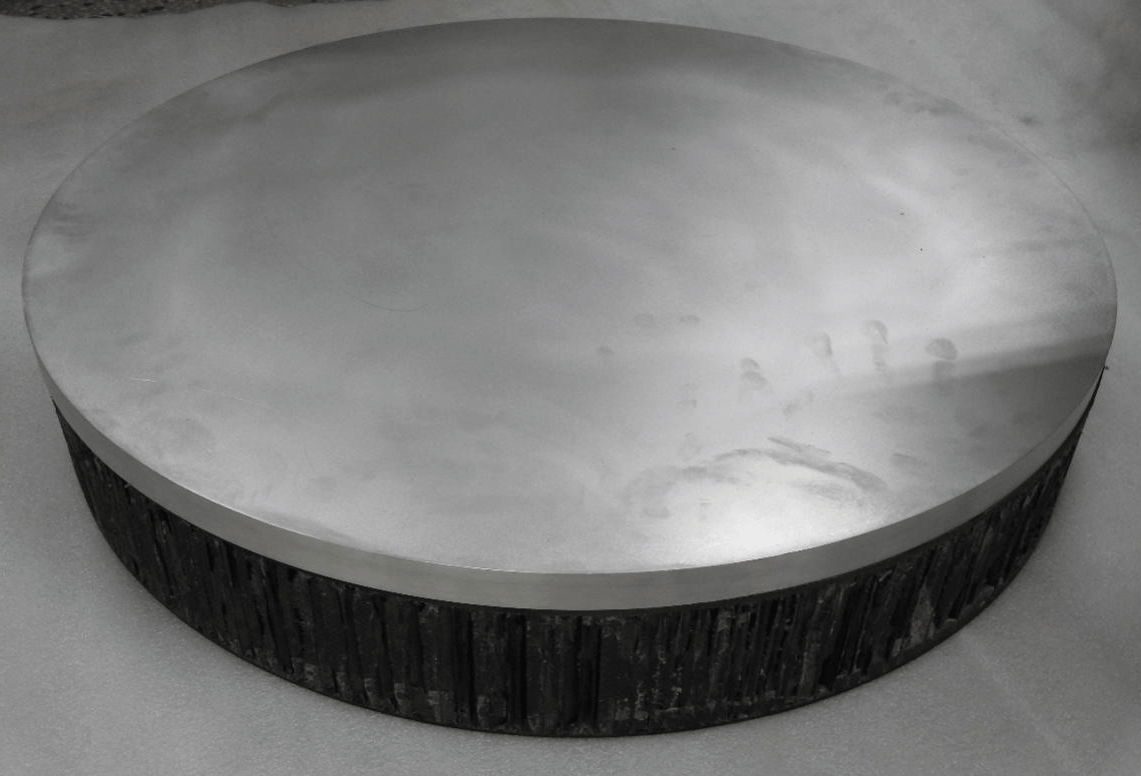
Details:This part focused on designing and prototyping a CFRP honeycomb mirror with an aluminum active surface. The designing and prototyping were done for a 340 mm diameter due to time constraints while the MFD design was carried out for a 690 mm diameter mirror. The prototype mirror with a honeycomb core was fabricated using predefined design conditions. Another part focused on the analysis of MFDs for a 690 mm diameter mirror with a triangular honeycomb core. This was done using the ANSYS ACP module. Directional deformations on the mirror active surface were calculated in the ANSYS, which were used to calculate Zernike polynomial coefficients. These coefficients were then optimized.
2.Optimisation of CFRP honeycomb parameters:
Place: Indian Institute of Technology, Tirupati
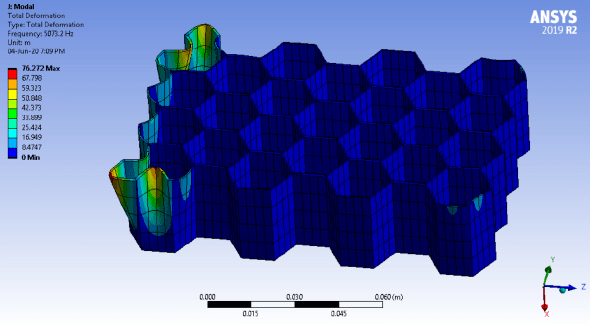
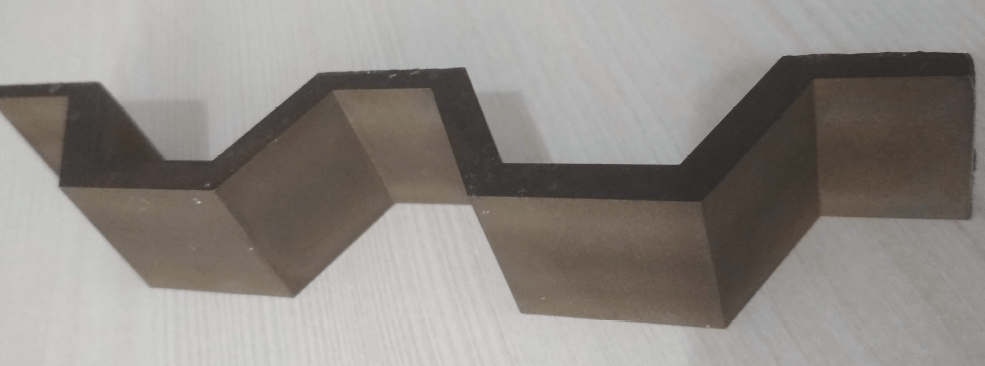
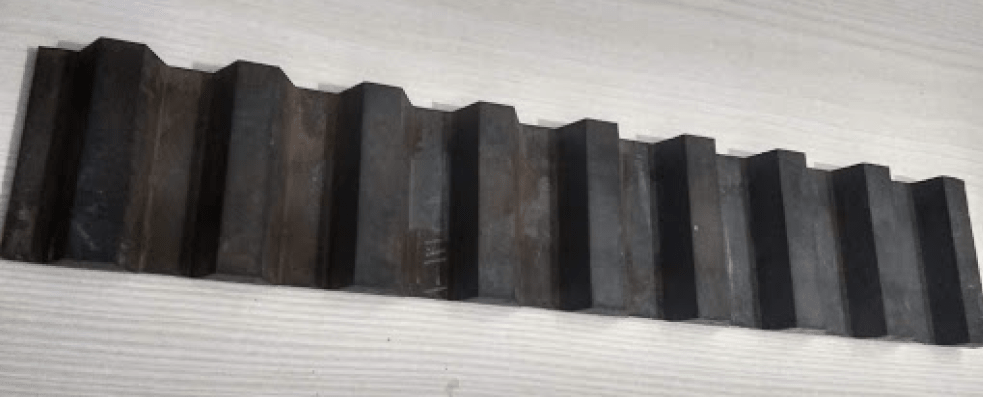
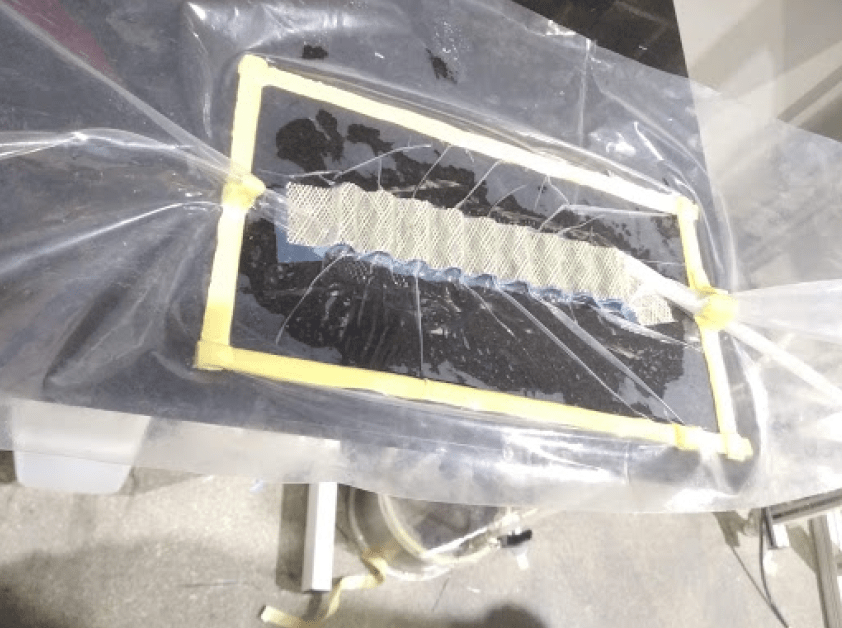
Details: During course of the project, we reviewed about various research papers where main objective was of replacing Zerodur with composite mirror which have high stiffness and good thermal stability and how to enhance the various material properties of composite mirror. Based on reviewed research papers we set our objectives to be optimization of the CFRP honeycomb sandwich parameters(cell size, and height) to maximize first natural frequency and minimize top surface deformation. We have completed the ANSYS analysis to study influence of cell size and height to optimize honeycomb performance. We accordingly prepared the mould of hexagonal honeycomb structure and carried out initial prototyping.